
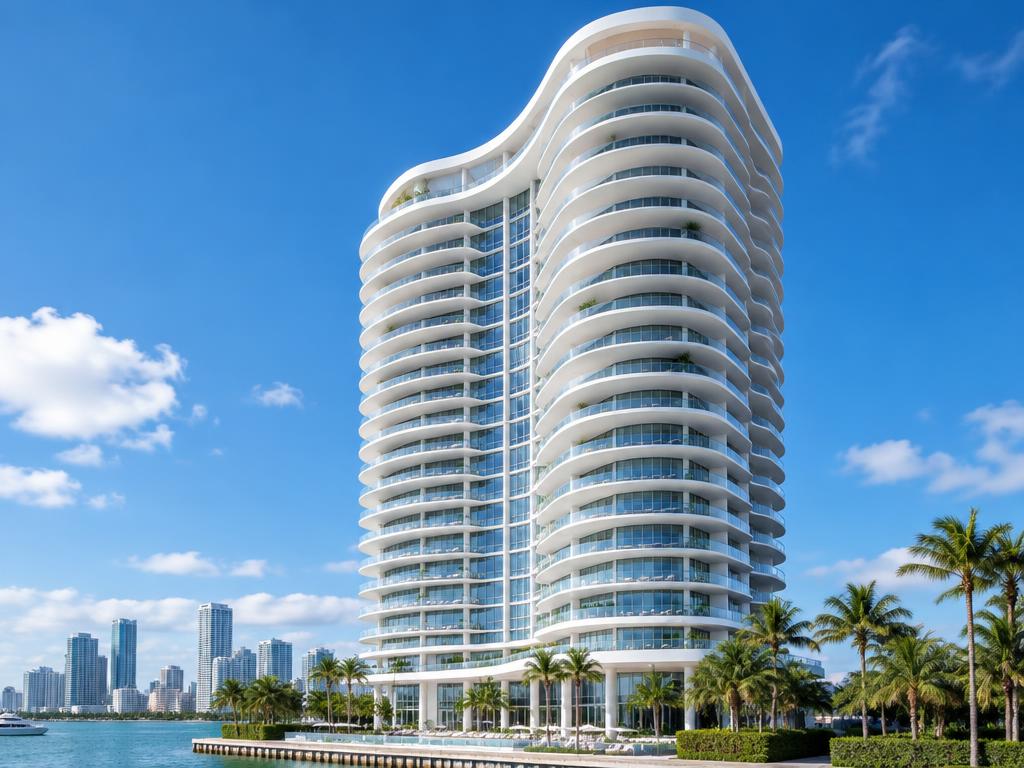
Understand what is being purchased
A completed resale unit can usually be evaluated through its existing condition and operating history. A pre-construction condominium may instead be represented by plans, specifications, disclosures and a purchase agreement. The buyer needs to understand the proposed unit, the shared building and the developer's contractual obligations. Attractive amenities or branding do not replace an analysis of what the documents actually promise to deliver.
Identify the specific unit, floor plan, orientation, parking rights, storage and included finishes. Ask how dimensions are measured and whether specifications, layouts or amenities may change under the agreement. Distinguish items included in the purchase from upgrades or separate arrangements. A model residence may display options that are not included. Request written clarification and have counsel address material inconsistencies between marketing materials and controlling documents.
Separate inquiry, reservation and purchase contract
An expression of interest, reservation and executed purchase agreement are not interchangeable. A reservation may establish a place in a sales process without creating the same obligations as a binding contract, but its actual effect depends on its terms. Ask whether money is refundable, how a cancellation must be delivered and whether the developer can change pricing or decline to proceed. Do not assume every reservation follows a familiar template.
Before signing a purchase agreement, obtain the complete document package and allow a Florida real estate attorney to review it. Discuss applicable disclosure and cancellation rights, delivery requirements and the procedure for exercising any rights. The available protections and deadlines depend on the transaction and governing law. A sales representative's description of flexibility should not replace legal review of an obligation involving substantial deposits.
Map deposits to your available liquidity
Create a deposit calendar directly from the proposed agreement. Identify the amount and trigger for each payment, whether linked to signing, a construction milestone or another event. Ask who holds funds, what documentation confirms receipt and what the agreement says about their use. Escrow arrangements and any release provisions should be explained by counsel rather than inferred from the presence of the word escrow.
Assess the entire cash commitment, not just the first deposit. Funds tied up during construction may not be available for other purchases, emergencies or changes in personal circumstances. International buyers should plan the timing of transfers and consider currency exposure with qualified financial professionals. Do not send funds based only on emailed instructions. Independently verify payment details through a known, trusted contact and the receiving institution's appropriate process.
Investigate the developer and project structure
Identify the contracting developer entity and its relationship to the names used in branding and sales materials. Review relevant completed projects, publicly available records and project disclosures with the appropriate professional team. A recognizable brand, experienced contractor or attractive previous project does not guarantee completion or quality. Distinguish the responsibilities of the developer, construction contractor, operator and any brand licensor.
Ask about the project's permitting status, construction progress, financing information available to purchasers and major conditions affecting commencement or completion. Check claims against suitable records or professional review where possible. Investigate the site as well as the tower: access, surrounding uses, adjacent development and potential changes to views can affect the finished experience. Do not assume a temporary open view or undeveloped neighboring parcel will remain unchanged.
Treat delivery timing as a variable
A projected completion date is useful for planning but should not be confused with an unconditional delivery commitment. Have counsel explain the contractual delivery provisions, extension rights, delay clauses and available remedies. Ask how the developer communicates changes and which notices require a buyer response. Construction progress updates can be informative without establishing the date on which your individual closing will occur.
Build flexibility into housing, leasing and financial plans. A buyer counting on immediate occupancy or rental income at a particular time may face additional accommodation or carrying expenses if delivery changes. Conversely, a closing notice may require funds and documents within the contractual period even if personal plans have changed. Maintain a calendar of obligations and avoid making unrelated commitments dependent on an unconfirmed completion schedule.
Revisit financing before the final payment
Early lender conversations can identify likely requirements, but future financing remains uncertain. Rates, underwriting standards, personal circumstances and project eligibility may change before completion. Ask whether a quoted product is available for the anticipated delivery period and what, if anything, is locked. Confirm whether the purchase obligation depends on obtaining financing; do not assume a financing contingency exists.
Discuss project review, appraisal, insurance and ownership requirements with a lender familiar with the proposed property type. A lender may require documents that are unavailable until later in construction. Evaluate how you would address an appraisal shortfall or an inability to obtain the expected loan. Have your financial professional assess whether the commitment is manageable without relying on an optimistic refinancing or resale assumption.
Read condominium rules as operating constraints
A new unit is not automatically suitable for the rental strategy shown in a sales presentation. Examine governing documents for minimum lease terms, frequency limits, approval procedures, occupancy restrictions and other relevant requirements. Check applicable local rules separately. If a project offers a rental or hotel program, request its actual agreement and investigate fees, owner-use limitations, termination terms and who controls pricing and availability.
Review the proposed association budget as an estimate rather than a permanent cost schedule. Ask what services it includes, which costs remain with owners and how expenses may change once the building operates. Investigate reserve planning, insurance responsibilities and potential obligations for shared facilities. A low initial budget does not establish low long-term ownership costs. Your attorney and other qualified reviewers can identify issues requiring further explanation.
Model ownership and exit without promised returns
Prepare a cash plan covering deposits, closing costs, lender expenses, furnishings, initial setup, association charges, insurance and a reserve after delivery. Include a period without rental income while the property is prepared, approvals are obtained and a tenant is found. Request written estimates where available and label uncertain costs clearly. A sales projection should be an input to test, not a substitute for independent analysis.
Consider the consequences of holding rather than assuming resale before completion. Assignment may be restricted, require consent or involve charges, and a later buyer may have different financing options. Ask counsel to explain assignment rights, default provisions and resale limitations. Selling after delivery also involves transaction costs and market uncertainty. No resale route guarantees recovery of deposits, appreciation or a buyer when you want to exit.
Prepare for delivery and make an informed commitment
Before closing, ask how inspections, walkthroughs, deficiency reporting, warranties and follow-up work are handled. Use appropriately qualified inspectors where access and the transaction permit. Distinguish cosmetic observations from specialist concerns and confirm the process for documenting unresolved items. Have counsel explain what closing means for outstanding issues rather than assuming a punch list automatically preserves every remedy.
Lena Bond Miami can help align a project search with your intended use, request information and coordinate acquisition communications. Olena Bondarchuk's real estate guidance does not replace legal interpretation, financial planning, lender underwriting or technical inspection. Begin with your capital commitment, timing flexibility and intended occupancy or rental plan. A sound decision may be to proceed, request different terms, investigate further or decline a project whose obligations do not fit your circumstances.
Continue your research
Educational information only, not individualized legal, tax, financial or engineering advice. Confirm property-specific conditions and current requirements with qualified professionals.
Discuss your investment goals with Lena